


For businesses, nonprofits, and organizations of every size, document security isn’t just a best practice; it’s a necessity. Whether you’re clearing out years of accumulated paperwork, upgrading your records retention process, or preparing for a scheduled shredding event, mobile shredding offers convenience, compliance, and peace of mind.
But to get the most from your mobile shredding service, proper preparation is key.
In this guide, we’ll walk through why preparation matters, share a practical step-by-step checklist for prepping your materials, and explain how you can make your mobile shredding project efficient, cost-effective, and secure every time.
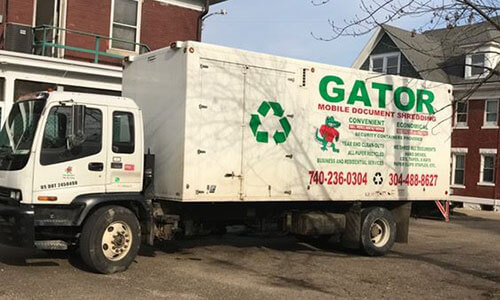
Gator Mobile Shredding provides secure on-site shredding services that bring the shredding truck to your doorstep, ensuring paperwork is destroyed instantly with a Certificate of Destruction for audit trails and compliance support.
Why Preparing for Your Mobile Shredding Service Matters
Mobile shredding is inherently secure, but without a clear plan, you risk:
- Higher costs due to surprises at pickup
- Longer service times on site
- Misclassified materials ending up in the wrong bin
- Missed compliance requirements
- Wasted staff time during the service
When your team knows exactly what to shred, where to place it, and how to organize it, the shredding team can move quickly, which often reduces your total service cost and ensures your entire project stays compliant.
Step-by-Step Checklist to Prepare for Mobile Shredding
1. Identify What Needs to Be Shredded
Start by conducting a records audit. Look for:
- Old tax documents
- Insurance records
- Contracts and legal files
- Client or patient files
- Financial statements
- Payroll files
- Marketing materials with personal information
- Expired ID badges or access cards
This preliminary step helps you determine whether the volume merits a one-time purge or ongoing scheduled shredding.
2. Sort Documents by Category
Once identified, sort your materials into categories based on confidentiality:
- Highly confidential (e.g., financial, medical, HR files)
- Moderately confidential (internal memos)
- Non-confidential (general office waste)
This helps with correct container placement and speeds up on-site pickup.
3. Remove Non-Paper Items
Office materials like binders, clips, rubber bands, fasteners, and electronics should be removed before service. While modern shredding trucks can handle many office clips, removing unnecessary hardware:
- Prevents damage
- Improves processing speed
- Ensures more efficient shredding
Electronics should be handled separately with secure media destruction if they contain data.
4. Confirm Retention Requirements
Check your industry’s records retention policies before shredding anything. Some documents may be needed for legal, tax, or regulatory purposes.
If unsure, consult your legal or compliance officer, or use IRS and state retention guidelines as a reference.
5. Consolidate and Label Boxes
Place sorted documents into clearly labeled boxes or containers, such as:
- Financial – Year
- HR – Confidential
- Client Files – To Shred
- Expired Records – Department Name
Labeling ensures the shredding crew can quickly identify priority items, and you receive the right Certificate of Destruction documentation for each category.
6. Choose a Secure Location for Pickup
Select an area that:
- Is easily accessible to the shredding truck
- Has room for safe parking
- Provides a flat surface for container placement
Common locations include:
- Loading docks
- Conference rooms
- Employee break rooms
- Designated shredding staging areas
7. Communicate With Your Team
Make sure the staff who will be present on the service day know:
- Where materials are staged
- Which areas are off-limits
- How to assist the shredding team
- How to answer basic questions about content
Clear communication prevents confusion and ensures a smooth service experience.
What Happens On Shredding Day
On the scheduled day, the mobile shredding truck arrives with a fully equipped shredding system. At Gator Mobile Shredding:
- Your materials are shredded on-site, in front of you
- We provide secure chain of custody documentation
- You receive a Certificate of Destruction for compliant record-keeping
This means your sensitive information is permanently destroyed, not merely transported elsewhere.
Common Mistakes to Avoid When Preparing for Shredding
Even organizations that regularly use shredding services can misstep. Avoid these common errors:
-
Leaving documents unboxed or loose
Unboxed piles slow down the process and can lead to missed items.
-
Misplacing confidential electronic media
e.g., USB drives or CDs mixed with paper
-
Forgetting retention rules
Some records must be kept for IRS compliance; shredding them too early can cause issues.
- Waiting until the last minute
A rushed prep job creates errors and inefficiencies on service day.
Benefits of Regular Scheduled Shredding
Many businesses find that regular (monthly or quarterly) shredding:
- Reduces office clutter
- Keeps risks low
- Improves cybersecurity posture
- Demonstrates compliance with the auditors
- Saves staff time compared to occasional purges
If your business generates sensitive files constantly (medical records, client files, financial records), a scheduled plan may be ideal.
Protect Your Business With Secure Mobile Shredding
Preparing for your mobile shredding service doesn’t have to be stressful, especially when you follow a clear checklist.
When you plan, your service runs faster, costs less, and leaves you with confidence that sensitive data is permanently destroyed.
Ready to schedule your shredding service?
Gator Mobile Shredding offers secure, NAID AAA-level mobile shredding for businesses across your region, whether you need a one-time purge, scheduled service, or a customized program.
Contact us for a quote or detailed prep consultation.