


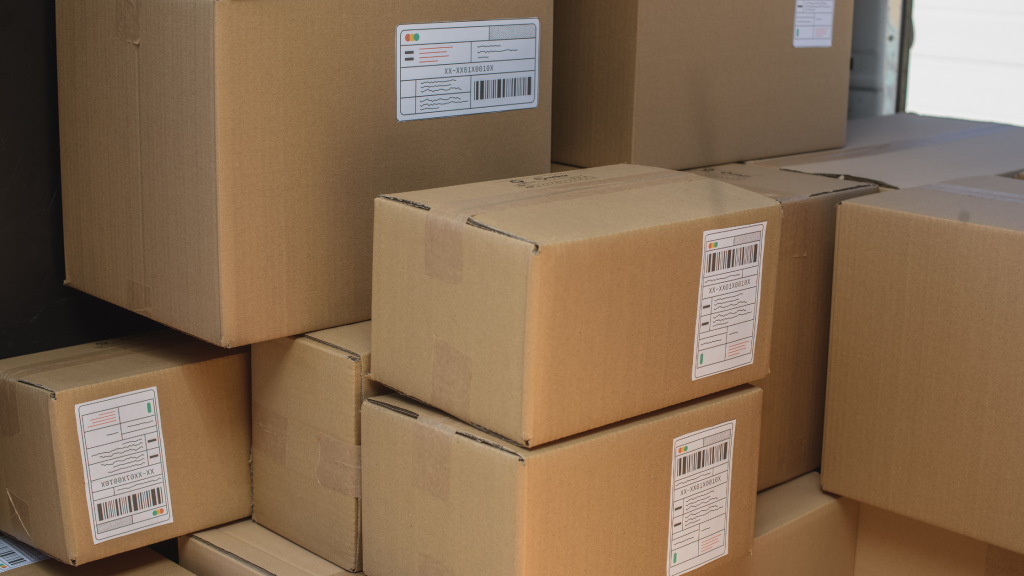
Not every product makes it into a customer’s hands. Some are damaged along the way, others become outdated, and occasionally an entire batch needs to be pulled because of a defect or recall. Whatever the reason, businesses are often left with products that can no longer be sold but still need somewhere to go.
What happens next matters more than you might think. Product destruction provides businesses with a secure way to handle unwanted goods and make sure items that were never meant to reach customers don’t find another route back into circulation.
Why Do Products Become Unsellable?
There isn’t one definition of an unsellable product. A perfectly functional item may become unusable to a business simply because its packaging carries an old logo. Another product might fail to meet internal quality standards, while excess inventory may sit untouched after demand changes.
Businesses may also need to remove recalled or defective products, discontinued merchandise, samples, prototypes, promotional items, or goods that were damaged during storage or transportation.
The important distinction is that unsellable doesn’t always mean unusable. An item your business has rejected may still look valuable to someone who finds it. That creates a problem when products are discarded without first being permanently destroyed.
Why Throwing Unwanted Products Away Can Create Problems
A dumpster may seem like the obvious destination for something your business no longer needs. But once an intact product enters a regular waste stream, your business has far less control over what happens to it.
Usable or recognizable goods may be recovered and resold through unauthorized channels. Branded merchandise could appear online or in secondary markets, potentially leaving customers unaware that they are buying something your company deliberately removed from circulation.
The stakes can be even higher with defective or recalled goods. If a product was rejected because it didn’t meet quality or safety standards, you don’t want it being used simply because someone retrieved it after disposal.
There can also be information worth protecting beyond the product itself. Prototypes, samples, custom components, and branded packaging may reveal details a business would rather keep private. Secure destruction closes that gap by making the item unusable before disposal.
So, What Happens to Products You Can’t Sell?
Once a product is deemed unsellable, the next step depends on why it was pulled in the first place. Some products may be returned to a manufacturer or supplier, while others may be eligible for donation, recycling, or repurposing. But those options aren’t appropriate for every item.
Recalled or defective goods, products that failed quality control, outdated branded merchandise, prototypes, samples, and old promotional materials may need a more permanent solution. Leaving these items intact could create an opportunity for them to be recovered, used, or resold when your business never intended them to be.
A simple question can help guide the decision: Would it be a problem if someone found, used, or resold this product? If the answer is yes, secure destruction can provide a clear endpoint by making the product unusable and helping keep it out of circulation.
What Actually Happens During Product Destruction?
Professional product destruction takes unwanted goods through a controlled process designed to make them unusable. The exact method depends on the type of product and the materials involved, but may include shredding or another form of physical destruction.
Rather than sending intact products into the regular waste stream, businesses have a defined way to take them out of circulation. A Certificate of Destruction may also be available to document that the materials were securely destroyed.
What Happens After The Product is Destroyed?
Destruction doesn’t always mean everything goes straight to a landfill. Depending on the product and its materials, some of what remains may be separated for recycling or material recovery.
Discarding defective products intact can leave them accessible for recovery or unauthorized use. If the items could create safety, liability, resale, or brand concerns, destroying them before disposal offers greater control over where they end up.
That makes it worth asking a provider what happens after destruction. Understanding which materials can be recycled and how the remaining waste is handled gives your business a clearer picture of the product’s entire journey, not just how it leaves your facility.
Give Unsellable Products a Clear Destination
Products your business can’t sell still need somewhere to go. Some may be returned, recycled, donated, or repurposed. Others need a more permanent solution, especially when they shouldn’t remain usable or find their way back into circulation.
When secure destruction is the right choice, Gator Shredding can help you take that final step with confidence. Contact Gator Shredding to learn more about product destruction and find a secure solution for products your business can no longer sell.
Frequently Asked Questions
Can defective products be thrown in a dumpster?
Discarding defective products intact can leave them accessible for recovery or unauthorized use. If the items could create safety, liability, resale, or brand concerns, destroying them before disposal offers greater control over where they end up.
Can different types of products be destroyed together?
It depends on what the products are made from and how they need to be processed. Products containing different materials may need to be separated before destruction or recycling.
What happens to packaging when a product is destroyed?
Packaging may be destroyed along with the product or handled separately depending on the materials involved. This can be especially important when packaging contains company branding, product information, or other identifying details.